
During the first presentation of a proposed state budget last month, Maryland Department of Transportation officials said their latest six-year spending plan included $249 million less than last year’s plan for big improvements to public transportation in the Baltimore area.
Then, just a few days later, after dozens of advocates, local elected officials and even Baltimore students held a rally decrying what they saw as a budget cut, department officials told a packed room in City Hall a different number: Baltimore transit was actually getting $31 million more than in the last budget.
Whether a math problem or messaging failure, the sudden discrepancy confused local lawmakers and has damaged the trust some local advocates say they have in Maryland’s stated commitment to improving Baltimore’s transit network into a “world-class” system. A leading transit advocate for the region calls the episode a “bald-faced misrepresentation.”
“The status quo right now is not OK,” said Brian O’Malley, president and CEO of the Central Maryland Transportation Alliance, an advocacy and policy analysis organization.
He said there are plans to improve things, referring in part to a major cross-city light rail project known as the Red Line and a proposal to expand the local bus network. But, he said, “We are choosing to fund other things.”
The CMTA was one of two independent organizations that ran their own analyses of the state’s original budget document, each determining that the Baltimore transit reductions were even steeper at $363 million.
Read More
So which of the numbers that MDOT officials presented is correct? In a way, both are.
MDOT officials said the lower figure presented initially was a result of two main spending reductions. First, the replacement of all of Baltimore’s Metro trains is wrapping up soon, so spending for the subway is now falling, they said, because that project is close to completion.
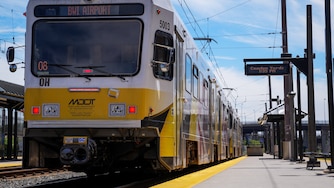
Additionally, improvements to Baltimore’s Light Rail line are going to take years longer than the department originally expected. So officials delayed some of the money they had set aside for the upgrades out of the six-year budget, which led to a reduction in spending on paper for the near term.
After the department caught flak for appearing to make the spending cuts, MDOT officials changed their tune, and that “reduction” became a $31 million increase in the latest budget document.
At City Hall Sept. 30, Baltimore lawmakers’ confusion over the state’s shifting math gave way to larger frustrations over what they see as the Moore administration continuing to underfund a transit system that keeps some kids from getting to school on time and delays workers traveling to their jobs. They used words like “shameful,” “bogus,” and “embarrassing” to describe the transit service. Baltimore City Councilman Paris Gray said the state’s answer can’t be to tell West Baltimore to keep waiting.
In response, Maryland Transportation Secretary Katie Thomson told lawmakers that any reductions or cuts to projects do not reflect the department’s values, but rather their constrained budget environment.
On Thursday morning, on a call with local transit advocates, Thomas defended the proposed budget, saying it did not include cuts overall for the Baltimore region. She added that the department was also committing to greater transparency about the “trade-off decisions” that go into making a budget for the whole state.
The dust-up comes nearly four years after Gov. Wes Moore took office and promised to expand Baltimore’s transit network for the first time in 30 years by building the 14-mile Red Line that his predecessor scuttled, part of a new vision in Annapolis that prioritized Baltimore’s success.
Moore has still pledged $1.5 billion to overhaul Baltimore’s existing Light Rail train system that multiple governors before him allowed to fall into total disrepair, which will better position the state for future federal transit grants.
But the budget still does not include any money to put shovels in the ground and build something new for Baltimore.
MDOT wraps up its fall tour of budget presentations Tuesday in Kent and Queen Anne’s Counties. The department will release a final version in January as the legislative session in Annapolis kicks into gear, and it will ultimately fold into the state’s overall budget, which lawmakers sign off on in the spring.




Comments
Welcome to The Banner's subscriber-only commenting community. Please review our community guidelines.