
After years of pressure from residents and environmental regulators, Baltimore will expand an aid program for homeowners facing sewage backups, Mayor Brandon Scott announced Wednesday.
The decision opens up city funding to a broader group of residents who have experienced overflows of raw sewage in their homes. For years, Baltimore has sent cleanup crews or provided financial aid to residents only when backups were caused by heavy rain, but the city now plans to pay for remediation during dry-weather incidents, too.
The city’s narrow approach to the aid program had drawn criticism from residents, City Council members and the U.S. Environmental Protection Agency, which has monitored the operation of Baltimore’s sewage system through a consent decree since 2002.
Under the terms of that federal oversight, Baltimore’s Department of Public Works is required to budget $2 million a year to reimburse homeowners who have experienced backups. Scott launched a pilot program in 2021 to send cleanup crews to homes — rather than just reimburse residents — but in most years the city has paid out only a small fraction of money, largely because public works officials said applicants experiencing backups in dry weather weren’t eligible.
“Residents deserve to feel safe in their homes and to know where to turn when a sewage backup occurs,” Scott said in a news release Wednesday. “Expanding this program is an important step to help more families access professional cleanup services and navigate these difficult situations.”
While heavy rains can overwhelm the city sewage system, causing overflows in homes and buildings, residents also can experience backups in dry conditions if debris or other issues lead to blockages in sewage lines.
The EPA ordered Baltimore to expand access to its backup aid program in 2023, but the city pushed back at the time, arguing that the federal consent decree didn’t require aid during dry weather events.
In January 2025, City Council members unanimously passed a resolution calling on the Scott administration to expand access to the cleanup support, and the mayor’s reversal comes just hours before a hearing where the council was expected to question DPW on its handling of the program.
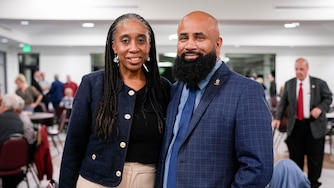
West Baltimore Councilman Paris Gray, who initiated Wednesday’s hearing, thanked Scott and DPW in a joint news release and said the expansion marks a step toward “making some of our most vulnerable families whole.”
“Since taking office in 2024, making sure Baltimore families have somewhere to turn after a sewage backup has been one of my top priorities,” Gray said. “A backup doesn’t wait for a storm, and neither should the help.”
The public works department developed the expansion alongside the Maryland Department of the Environment, which has also urged the city to provide aid to residents experiencing backups in dry weather.
This story will be updated.




Comments
Welcome to The Banner's subscriber-only commenting community. Please review our community guidelines.