

In one of the most competitive labor markets in the country, Montgomery County is focused on winning the talent race by growing, attracting and retaining a highly skilled and specialized workforce, geared toward high-growth industries including life sciences, technology, satellite and advanced communications, and defense.
In today’s economy, where access to talent often determines where companies choose to locate or expand, Montgomery County leaders are focused on building and nurturing a talent pipeline that meets employer demand, not just today, but for years to come.
“At the end of the day, the number one concern of any company is whether we can give them the workforce they need tomorrow and for the next decade,” said Jared Smith, President and CEO of the Montgomery County Economic Development Corporation (MCEDC) during a recent panel discussion on Montgomery County’s talent pipeline. That long-term view is shaping how the County approaches education, workforce development, and business engagement.
A key strength of Montgomery County is its highly educated population. With one in three adults over 25 holding an advanced degree, the County offers companies a deep and diverse talent pool and County leaders recognize that maintaining that edge requires constant nurturing as industries and technologies change.
To stay ahead, Montgomery County has built a connected ecosystem that links public schools, higher education institutions, local government, and workforce organizations into a steady pipeline, from early education through career placement and advancement.
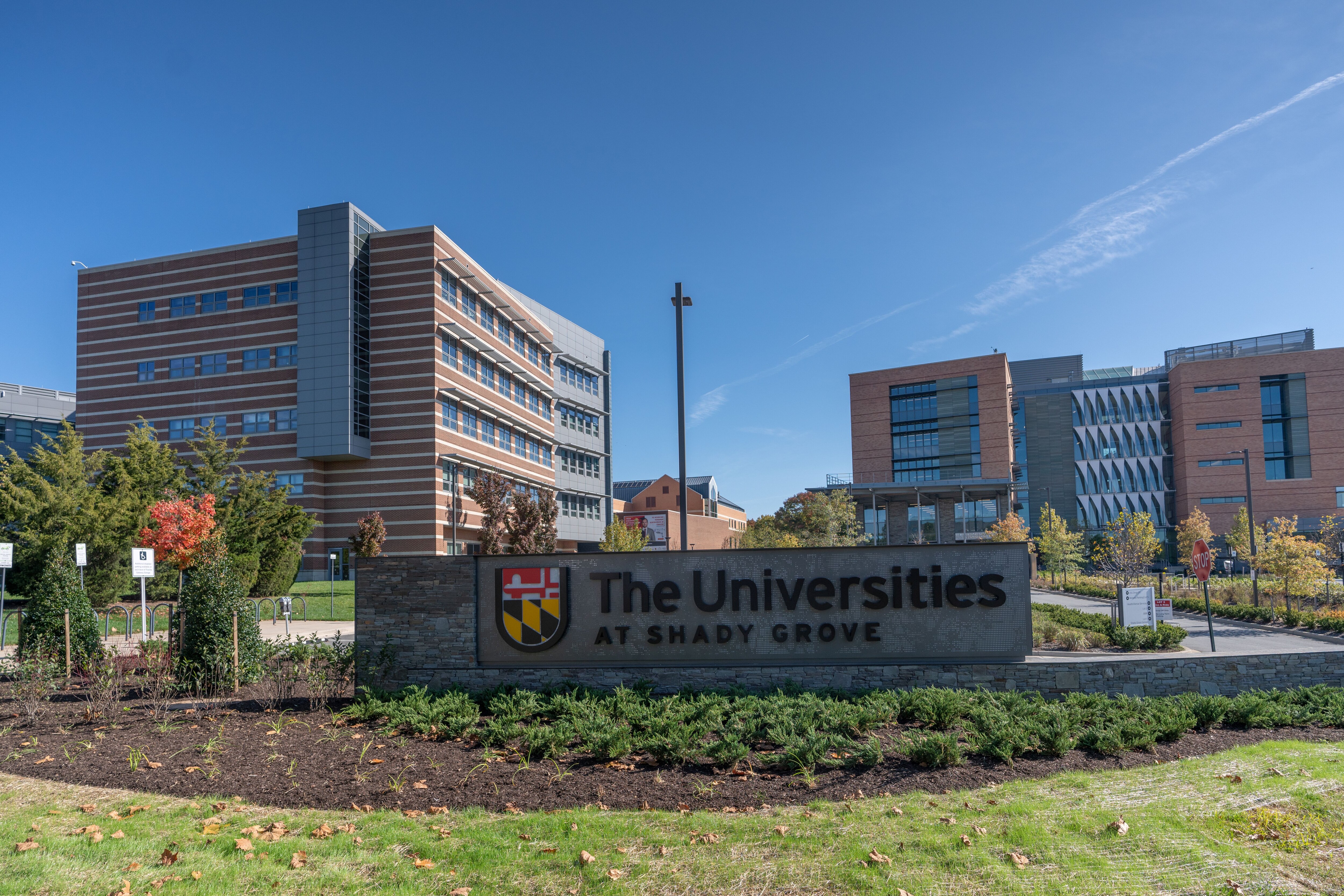
At the center of that ecosystem are strong partnerships between educators and employers. Higher education institutions like Maryland’s top community college Montgomery College and the Universities at Shady Grove, which offers students pathways to more than 80 upper-level undergraduate, graduate and professional degree and certificate programs, work closely with industry leaders to design programs that reflect real-world workforce needs. Because of these partnerships, employers can provide direct input on curriculum, certifications and skills requirements, ensuring students graduate ready join the workforce in the high-growth industries that are fueling the local economy.
This alignment is especially important in constantly evolving sectors like life sciences, technology and advanced manufacturing, where skill gaps can emerge quickly. By embedding employer feedback into program design, the Montgomery County workforce is able to adapt in real time. “There’s always an effort to stay current and to stay on top of things with degree and certification programs, but a lot of it is deep partnerships with employers,” said Dr. Anne Khademian, executive director of the Universities at Shady Grove, during the panel. “We listen to what employers are saying and what skills they need, and we adapt what we do in the classroom to accommodate that.”
Workforce organizations also play a critical role in connecting job seekers with opportunities. WorkSource Montgomery, for example, works with a broad network of partners, to provide training, career services and hiring support. Its programs focus not only on preparing new entrants to the workforce, but also on helping existing workers adapt through upskilling and reskilling.
One such partner is BioHub Maryland, which seeks to expand Maryland’s life sciences talent pipeline, by engaging and training Veterans, high school graduates, residents from disadvantaged backgrounds and those who do not have advanced degrees. So far, BioHub Maryland has trained over 300 participants in courses and programs.
As competition for skilled workers increases nationwide, the alignment and collaboration between businesses, government, local academic institutions, and other strategic partners is one of the Montgomery County’s biggest strengths. By continuously adapting its talent pipeline and investing in its people, Montgomery County is positioning itself not just to compete, but to lead in the race for talent.