
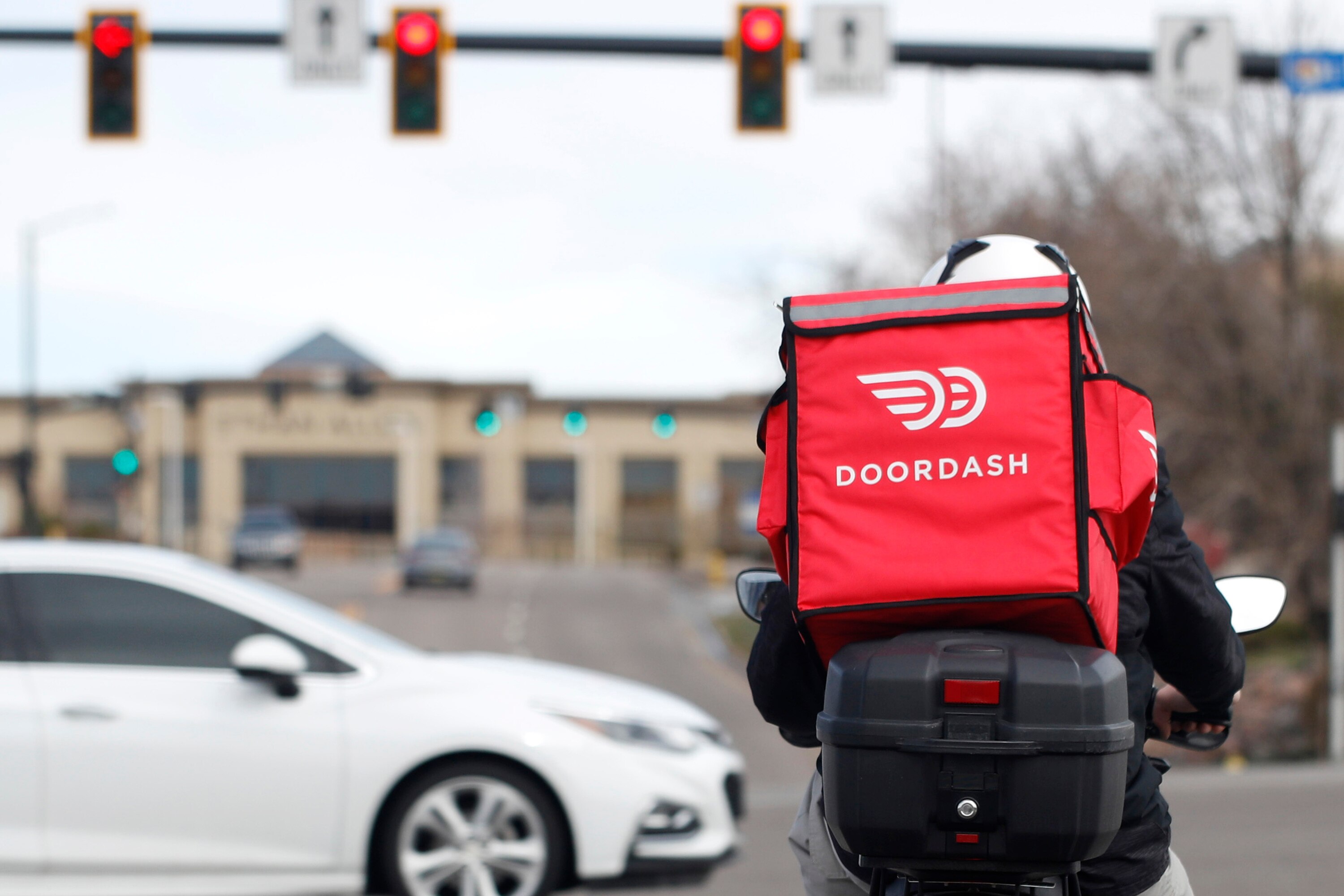
Erica Leslie was homeless when she began delivering food through DoorDash about 10 years ago. Now she relies on the platform to pay her bills.
“It is my career at this point,” said the Prince George’s County driver, adding she can rarely afford to take a day off.
But that changed in July, when Leslie became one of 4,000 Maryland DoorDashers to participate in a new, four-month company program disbursing stipends, or “portable benefits,” to drivers through savings accounts.
The deposited money totaled 4% of each worker’s earnings, excluding tips, and prompted most of the participants to take time off and put money toward emergency savings — employee benefits they would otherwise not be eligible for, according to a follow-up survey of the drivers released to The Banner.
The DoorDashers are part of a growing faction, making up more than 10% of the U.S. labor force, called “contingent workers.” These independent contractors do not qualify for employee-sponsored benefits such as health insurance, retirement plans and paid leave.
The contractors also cannot unionize in most states. In January, California Gov. Gavin Newsom signed a bill allowing workers using their personal vehicles and connected by an app to collectively bargain, and two years prior a Massachusetts ballot initiative did the same.
Some unions and labor advocates have criticized companies for their reliance on such contract work, accusing employers of shifting “all of the costs and risks of doing business onto their [employees’] backs,” or providing benefits that act as “stingy second-rate stipends."
DoorDash spokesperson Darrell Davis said the benefits are a starting point for the company as it looks for ways to improve workers’ financial security. But providing benefits such as health insurance and retirement plans isn’t a focus, he said, because drivers value their independence and many work other jobs.
Survey results from the program show the majority of workers felt more financially secure after receiving the benefits and reportedly still enjoyed being independent contractors. Davis could not provide information on what percentage of the workers rely on DoorDash for their income.
Leslie said the flexibility of the work at DoorDash attracted her. While she makes her own schedule and has been able to take breaks from DoorDashing throughout the day, she also says she “solely depends” on the platform and could not sustain her lifestyle without it.
Upon receiving her first deposit in July, Leslie took three days off from DoorDashing to pay outstanding bills and find more permanent housing. She had been temporarily living in a hotel. She also saw a dentist.
Over the following months, she received less money and took two days off in August and one day in September. She said more benefits, especially as gas prices rise, would improve her quality of life.
Only 9% of drivers reported using the money for retirement savings and only 7% used the deposit for health care. Nearly all participants said they would continue working for the company if the benefits became permanent. In total, the company paid about $390,000 to the workers.
The program is the third by DoorDash, which also temporarily paid drivers in Pennsylvania and Georgia. Some states, including Florida, Tennessee, Alabama, Wisconsin, Georgia and Maryland, have enacted legislation to formalize the portable benefits, without requiring employers to classify employees as full-time workers.
Last year Gov. Wes Moore said in a statement he believed the DoorDash program would help “give workers of all kinds an opportunity to succeed.”




Comments
Welcome to The Banner's subscriber-only commenting community. Please review our community guidelines.