
Children attending Hillcrest Elementary School’s International Day have for many years been exposed to something peculiar.
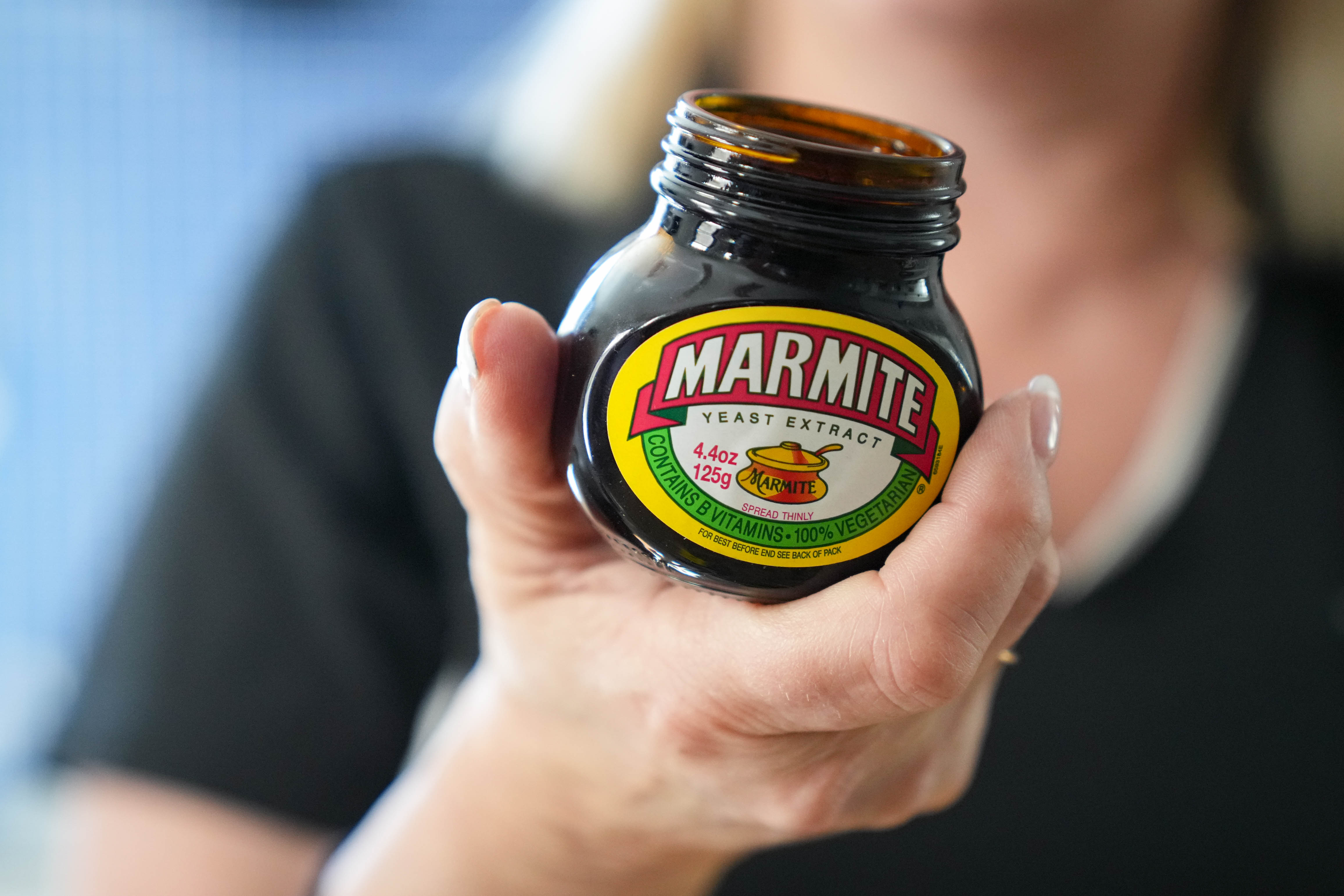
A table at the Catonsville school event features a little yellow-topped jar of black goo with a strangely zoological name: Marmite.
Unscrewing the cap, there’s a mild, beefy smell. The goo, spread thinly on crackers or toast, reminds the adults of tar. A curious kid takes a nibble.
“It’s funny watching their little faces screw up,” said Ellie McIntire, the mom and British expat behind the taste test.
To say Marmite is an acquired taste for Americans is being generous. And yet, this salty yeast paste — sounds yummy, right? — holds a singular place in British hearts.
Read More
That’s why there’s angst across the pond over recent news that their beloved breakfast spread is falling into U.S. hands, namely, McCormick & Co. in Hunt Valley. Bollocks!
“Americans will never understand what makes Marmite special,” a headline in The Telegraph declared last week.
The British press is lamenting the deal for McCormick to buy Marmite along with dozens of other Unilever brands. Social media is awash in grief: “That’s it. The UK has collapsed. We’re doomed.”
So what’s the big deal with the black stuff? Even among devotees, an explanation proves elusive.
Common comparisons are to soy sauce or Japanese miso, an aggressively rich, savory taste known as umami. The label puts it rather simply: “Put the oomph in your breakfast.”
Marmite, McIntire posits, activates saliva glands in the neck to make the jaw clench. Delightful. Her lunch of choice is Marmite, butter and American cheese between bread.

George Harrison of The Beatles famously ate Marmite, cheese and lettuce sandwiches. The late Queen Elizabeth II had a taste for mushrooms cooked with a touch of Marmite. Find another pantry item that invites consumers to dial up and shout hosannas. A toll-free “Marmite loveline” is printed on the label.
Americans, meanwhile, get Marmite all wrong, usually slathering on too much — it’s not peanut butter, bub — only to be left gasping for water. The English chef Neill Howell of the popular Corner Pantry, a British cafe in North Baltimore, flavors butter, sparingly, with Marmite for savory beef dishes.
Like many good things British, Marmite’s story begins with a pub.
Marmite was invented in 1902 in the historic English brewery town of Burton upon Trent, home to Bass Ale, as a use for spent brewer’s yeast. The yeast is cooked into a thick soup and blended with flavors. The resulting spread is vegetarian, with a shelf life that probably outlasts mankind.
The yeast extract is so rich in vitamin B that Marmite was added to the rations of British soldiers during World War I. The Brits introduced Marmite sandwiches to Paddington Bear on TV. They put Elton John on limited-edition jars. The mid-1990s brought the cheeky slogan of “love it or hate it.”

“Marmite is more than a corporate asset; it’s a cultural and gastronomical symbol, and one that needs to be handled with care,” wrote Alec Marsh in The Telegraph.
The tangy bite invokes memories of childhood for generations of Brits. McIntire remembers the toasted strips of bread that she and other Brits call “soldiers” dressed with Marmite and butter and dunked in runny eggs. Or a spoonful of Marmite mixed with hot water after swimming.
The British expat Deeba Jafri of Elkridge associates Marmite toast with crunch time ahead of her long-ago exams at the University of Essex in Colchester.
She married an American and raised two children in Maryland. None like Marmite, of course, but she still reaches for the old friend, as well as PG Tips tea, Branston Pickle (actually chutney) or the British-style Heinz Beanz (in tomato sauce), for a taste of home.
Jafri worries that U.S. owners won’t leave well enough alone.
“They’ll ruin it the way they ruined Cadbury’s,” she said.
The fate of Cadbury chocolate remains a painful topic.

The beloved dairy milk bars — a “glass and a half” of milk in each — were made in England for more than a century before Kraft Foods seized Cadbury in a hostile takeover. Worse yet, Hershey licensed the Cadbury name to make the chocolate in the U.S.
Ask any Brit. The chocolate was never the same.
If McCormick has plans for Marmite, the company isn’t sharing. Spokeswoman Kyla MacLennan declined to comment when asked if there are changes in store for distribution, the recipe or the historic production site.
McCormick President Brendan Foley has broadly promised to be good stewards of the new brands.
The Brits, however, are watching closely. If Baltimore tries to mess with their Marmite, Jafri said, there will be British hell to pay.
“It’ll be the War of 1812 all over again,” she said.




Comments
Welcome to The Banner's subscriber-only commenting community. Please review our community guidelines.