
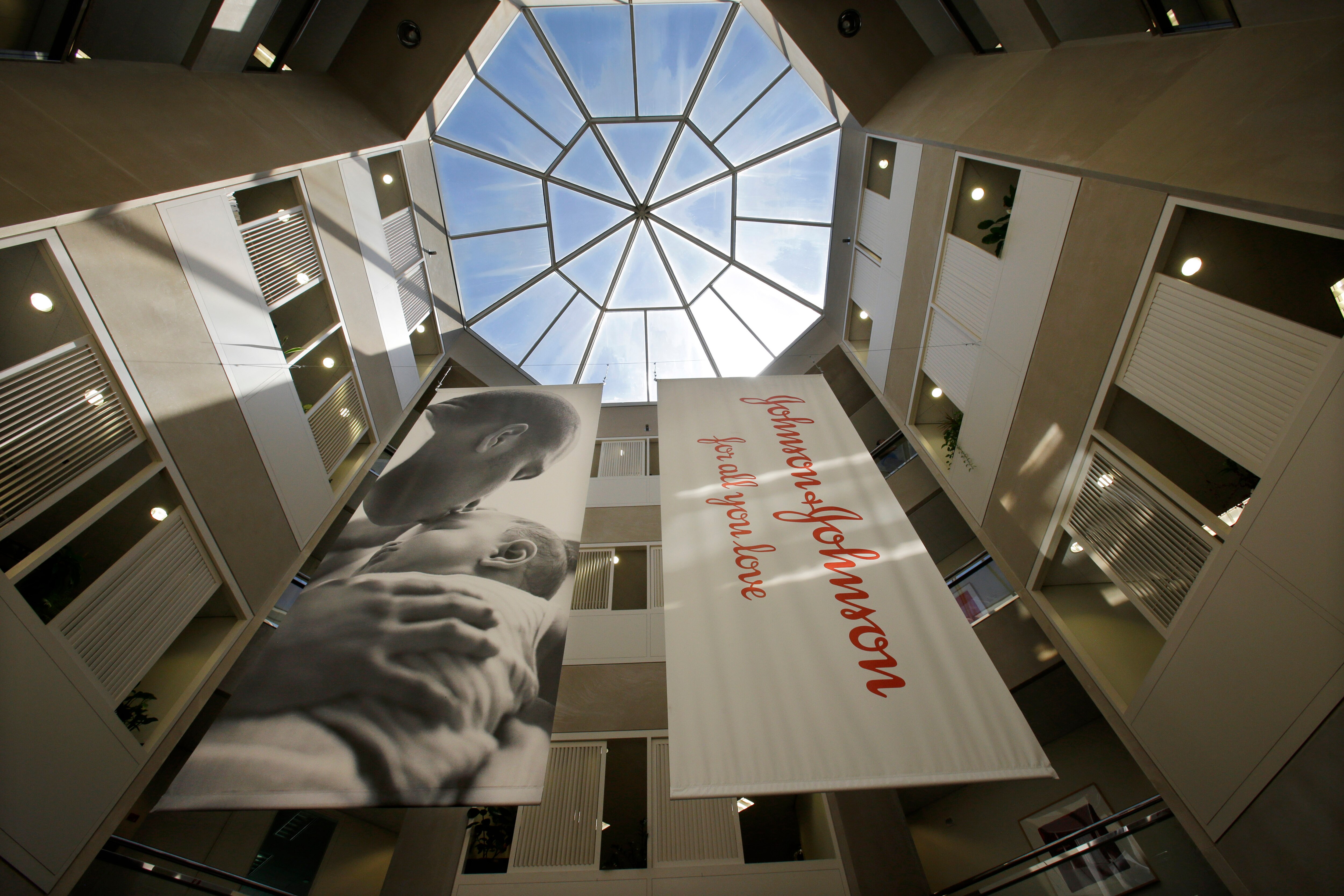
A Baltimore jury has awarded more than $1.5 billion in damages to a woman after finding that Johnson & Johnson and its subsidiaries caused her to develop an incurable form of cancer with the brand’s talc-based baby powder.
The jury returned the verdict in favor of Cherie Craft, 54, of Atlanta, on Monday in Baltimore Circuit Court and determined that the company exposed her to asbestos.
Craft is the founding CEO and executive director of Smart from the Start, a nonprofit organization that supports children and families. She was diagnosed in 2024 with malignant peritoneal mesothelioma.
Jurors awarded her $59.84 million to cover medical expenses, lost wages and pain and suffering, and ordered Johnson & Johnson and Pecos River Talc to pay a total of $1.5 billion in punitive damages.
“Her cancer was preventable. She used Johnson’s Baby Powder every day of her life until she was diagnosed with cancer,” said Jessica Dean, a partner at Dean Omar Branham Shirley in Dallas who represented Craft at trial, in a statement. “J&J refused to accept any responsibility and fought at every turn.”
Johnson & Johnson has faced thousands of lawsuits that allege its products caused cancer. The company stopped selling baby powder made with talc in 2023.
In a statement, Erik Haas, worldwide vice president of litigation for Johnson & Johnson, said he expected the company will prevail on appeal.
“We will immediately appeal this egregious and patently unconstitutional verdict that is the direct result of the gross errors made by the trial court that allowed plaintiff’s counsel to pervade the record with improper and prejudicial statements and assertions,” Haas said.
Jonathan Schochor, an attorney in Baltimore who handles medical malpractice, sexual abuse and class action lawsuits and is not involved in the case, said he expects both sides to enter settlement negotiations.
Schochor said an appeal could drag out for two years. Meanwhile, he said, a settlement could happen in the next 30 to 60 days.
A settlement, he said, provides a certain outcome.
“Is it worth the risk that it gets sent back on a technicality?” Schochor said. “For them, it’s a business proposition. For you, it’s your life.”





Comments
Welcome to The Banner's subscriber-only commenting community. Please review our community guidelines.