
For years, Baltimore-area leaders have mulled establishing a new government to oversee the city-owned system that provides water to nearly 2 million people across the region.
Now a panel of city and county officials says it should finally happen.
A task force established to study the question recommended unanimously last week that Baltimore City and Baltimore County create a consolidated water and wastewater utility that would serve the entire region and split the costs equiably. The proposal also envisions that both jurisdictions eventually share staff and borrow money to fund the system, although the specifics haven’t been decided.
The recommendation marks the first definitive step the city and county have taken toward a sweeping change in how the region operates the overhaul of the regional water operations. A similar task force met for nearly a year before this one, but failed to reach consensus.
Some unions and environmental organizations are concerned that the effort will violate existing labor agreements and increase customer costs.
For decades, the region’s water system has been governed by a half-century-old agreement dating to when Baltimore City had a larger population than the surrounding county — a dynamic that has since flipped — and for years the county and the city have fought over how to split the costs
Read More
It is unclear how a consolidated utility would affect county or city residents’ monthly bills. Leaders from both jurisdictions did not say whether they will follow the task force’s recommendations.
What’s next?
In a statement, a spokesperson for Mayor Brandon Scott did not take a position on the recommendations and said the city is in discussions with neighboring counties.
“[We] look forward to continuing to work together to identify the best path forward to ensure that our water system remains a strong, reliable, and city-owned asset ready to meet the demands of the future,” spokesperson Tracy King said.
Dakarai Turner, spokesperson for Baltimore County Executive Kathy Klausmeier, thanked the group for its work but also declined to address specifics.
“We remain in active discussions with our regional partners about the best path forward, with a focus on ensuring reliable service, responsive governance and affordable rates for our residents,” Turner said.
Baltimore City and Baltimore County operate joint water and wastewater systems under agreements that date to the 1970s. Their water lines also serve parts of Anne Arundel, Carroll, Howard and Harford Counties, but most of the infrastructure — including two sewage treatment plants — is owned and operated by the city.
A previous task force, convened in 2023, found big obstacles to governance under a regional authority. Representatives of Baltimore City and Baltimore County convened another work group this year to study alternative options that could spread out costs and responsibility for the sprawling system.
The new task force recommended that the city and county establish joint oversight while retaining contracts with unionized staff — a measure to address concerns from labor groups about the impacts of consolidation on benefits, pay and jobs. Leaders from the City Union of Baltimore and AFSCME Council 3 sit on the panel.
Two options
In addition to suggesting unified oversight of the water system, the task force recommended two options for structuring a new regional board.
One model would consist of 10 members — five from Baltimore City and five from Baltimore County. A second would have 11 seats: five members from the city, four from Baltimore County and two members who could come from surrounding counties connected to the system.
Food and Water Watch, an environmental advocacy organization, sent a letter ahead of last week’s task force vote. It was signed by 18 labor, environmental and community groups and urged officials to reject “any form of regional authority and privatization,” which advocates cautioned could make water less affordable and disproportionately impact Black and low-income customers.
In a statement, Jorge Aguilar, Food and Water Watch’s southern regional director, criticized the task force for failing to adequately study impacts of regionalization for racial equity and customer costs, including for the utility’s discount program Water4All.
“For years, Food & Water Watch has been calling for the city to maintain control of the system and improve equity in how water costs are allocated between the city and county,” Aguilar said. “As these recommendations are considered, the public must be brought into the fold and equity must be prioritized before any change is formally adopted.”
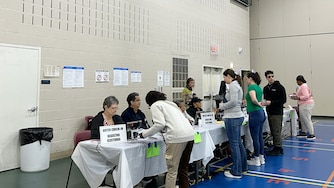
The task force recommendation comes as Baltimore City voters will consider a ballot referendum Tuesday to sever the city’s water and wastewater utilities from the Department of Public Works — a step that could simplify longer-term regionalization efforts.
Local leaders would still need approval from the Maryland General Assembly to enact unified governance and rate structures across the regional water system.



Comments
Welcome to The Banner's subscriber-only commenting community. Please review our community guidelines.